
Call: 08045801288
 Send Inquiry
 Send Inquiry
Cordierite Batts
Cordierite Batts Specification
- Operating Temperature
- Up to 1320C
- Features
- Lightweight, Durable, Good resistance to chemical attack, Long service life
- Automation Grade
- Manual/Non-automated
- Load Capacity
- Depends on size and thickness
- Surface Treatment
- Uncoated / Natural finish
- Used For
- Supporting ceramic wares during firing
- Material
- Cordierite Ceramic
- Style
- Rectangular/Slab Batts
- Properties
- High thermal shock resistance, Low thermal expansion, Excellent mechanical strength
- Capacity
- Varies as per size (Custom Sizes Available)
- Condition
- New
- Application
- Used in kiln furniture, pottery, ceramic firing, and heat treatment
- Water Absorption
- 45%
- Porosity
- Typically 28-38%
- Shape
- Rectangular (custom available)
- Thermal Conductivity
- Low
- Maximum Firing Cycles
- Up to 1000 cycles
- Thickness Range
- 10-40 mm
- Color
- Light beige/grey
- Density
- 1.8-2.0 g/cm3
- Flexural Strength
- >8 MPa
Cordierite Batts Trade Information
- Minimum Order Quantity
- 100 Number
- FOB Port
- As per location
- Supply Ability
- 100 Per Month
- Delivery Time
- 1 Months
- Sample Available
- Yes
- Sample Policy
- Contact us for information regarding our sample policy
- Packaging Details
- Standard & Crate Packaging.
- Main Export Market(s)
- Asia, Australia, Central America, North America, South America, Eastern Europe, Western Europe, Middle East, Africa
- Main Domestic Market
- All India
About Cordierite Batts
Offered Cordierite Batts are best to be used in various industries such as furniture, sanitary, construction and metal working. These batts are manufactured using the finest grade clay and pioneering techniques. Known for excellent heat tolerant, extended durability and supreme finish, these batts are used for rendering excellent support to an item. Moreover, the provided Cordierite Batts can be availed by our esteemed patrons at cost effective rates.High Durability and Thermal Performance
Cordierite Batts offer remarkable durability and longevity, engineered to endure thermal cycling and high-temperature firing up to 1320C. Their low thermal expansion and high shock resistance ensure minimal warping, making them ideal for repeated use in industrial and craft kiln settings. The lightweight yet robust nature increases handling efficiency and reduces operational wear.
Customizable for Versatile Applications
Available in standard rectangular slabs or tailored to unique specifications, these batts serve as critical kiln furniture across ceramics, pottery, and heat treatment operations. Their adaptable design and variant thicknesses (1040 mm) let users select or order dimensions optimal for their production scale and configuration.
Superior Material Properties for Kiln Stability
Manufactured from high-quality cordierite ceramic, these batts combine low thermal conductivity with excellent mechanical strength and chemical resilience. The uncoated natural finish promotes clean, consistent firing, supporting both mass production and artisanal needs for high-precision outcomes.
FAQs of Cordierite Batts:
Q: How are Cordierite Batts typically used in ceramic or pottery kilns?
A: Cordierite Batts are primarily used as support platforms within kilns, providing stable and flat surfaces for stacking ceramic wares during the firing process. Their high thermal shock resistance and low thermal expansion help protect delicate items from cracking or stress throughout repeated heating cycles.Q: What benefits do Cordierite Batts offer over other kiln furniture materials?
A: Cordierite Batts offer superior resistance to thermal shock, low thermal expansion, and excellent mechanical strength, making them less likely to warp or crack. They have a lightweight but durable construction, offer long service life (up to 1000 firing cycles), and demonstrate good chemical resistance, translating to reduced maintenance and operational costs.Q: When should Cordierite Batts be replaced in a kiln setup?
A: Cordierite Batts should be replaced when visible signs of structural fatigue, excessive warping, or cracks appear, or when their mechanical stability is compromised due to prolonged use. Under normal operating conditions, they can withstand up to 1000 firing cycles before replacement is required.Q: Where can custom-sized Cordierite Batts be sourced?
A: Custom-sized Cordierite Batts are available directly from exporters, manufacturers, or suppliers in India offering the product. Specifications such as thickness, length, and width can be tailored to fit different kiln dimensions and specific process requirements.Q: What is the process for installing Cordierite Batts in a kiln?
A: Installation is manual and involves arranging the batts evenly on kiln supports or shelf posts. Proper placement ensures optimal load distribution and supports the weight of ceramic wares without exceeding the specified load capacities for each batt size and thickness.Q: How does the porosity of Cordierite Batts impact their usage?
A: The typical 2838% porosity of Cordierite Batts provides good thermal insulation and reduces heat in the kiln structure. This characteristic helps prevent heat loss, ensuring energy efficiency and consistent firing results while supporting a wide variety of ceramic ware types.Q: What maintenance or cleaning is recommended for Cordierite Batts?
A: Cordierite Batts should be allowed to cool gradually, then gently brushed or wiped to remove any glaze drips or debris. Avoid using water or harsh chemicals, as these can penetrate the porous structure and impair performance during subsequent firings.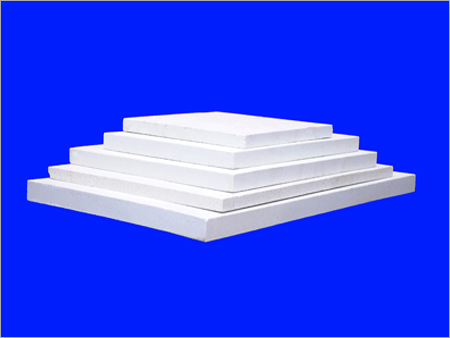
Tell us about your requirement

Price:
Quantity
Select Unit
- 50
- 100
- 200
- 250
- 500
- 1000+
Additional detail
Mobile number
Email

More Products in Plain Batts Category
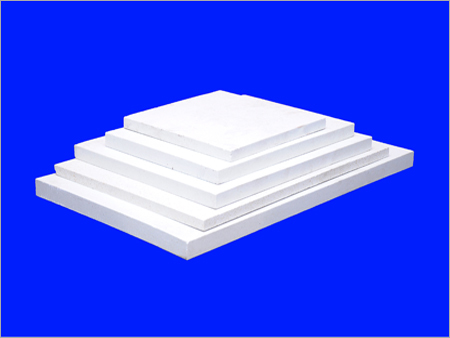
Refractory Batts
Minimum Order Quantity : 100
Application : Kiln Furniture, Furnace Linings, Ceramic Firing Racks
Operating Temperature : Up to 1700C
Capacity : Designed for heavyduty furnace use
Condition : New
Material : High Alumina Refractory
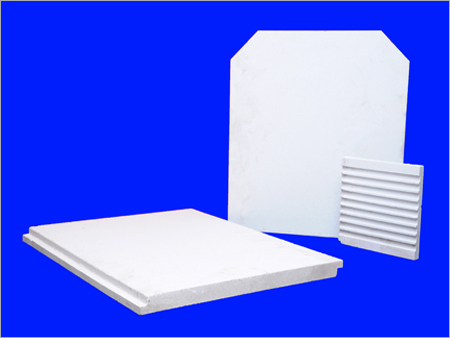
Refractory Batts
Minimum Order Quantity : 100
Application : Kiln furniture, kiln shelves, furnace lining
Operating Temperature : Up to 1500C
Capacity : Custom sizes available
Condition : New
Material : High alumina refractory ceramic
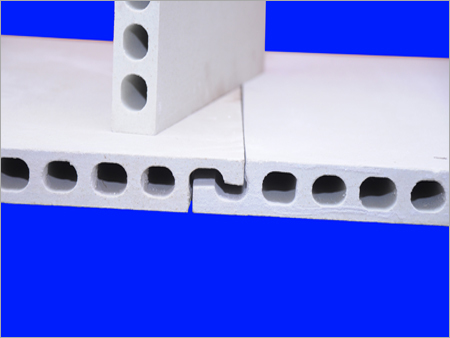
Extruded Batts
Minimum Order Quantity : 1 Number
Application : Industrial furnaces, Kilns, Lining for heat treatment plants
Operating Temperature : Up to 1450C
Capacity : Custom sizes available
Condition : New
Material : Ceramic Fibre
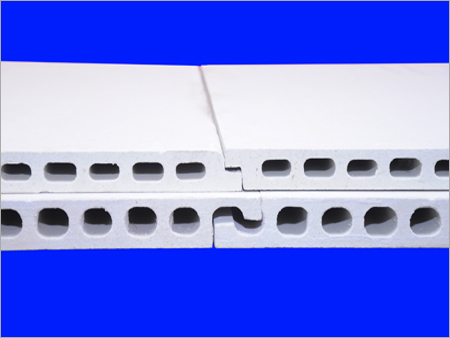
Interlock Extruded Batts
Minimum Order Quantity : 100
Application : Industrial Insulation, Building Insulation, Furnace Lining
Operating Temperature : Up to 750C
Capacity : Custom Sizes Available
Condition : New
Material : Mineral Wool / Rockwool

Contact Details
AMERYS SPECIAL REFRACTORY
GST : 24AAZFA6595M1ZG
- Plot No 18, Vaghasiya Industrial Estate, Vaghasiya Village, Wankaner Taluka, Morbi - 363622, Gujarat, India
- Phone :08045801288
 Send Inquiry
Developed and Managed by Infocom Network Private Limited.
