
Call: 08045801288
 Send Inquiry
 Send Inquiry
Refractory Batts
Refractory Batts Specification
- Operating Temperature
- Up to 1500C
- Used For
- Support and shelving of ware during firing
- Automation Grade
- Manual
- Surface Treatment
- Uncoated / plain ceramic finish
- Load Capacity
- High load bearing capacity
- Features
- Corrosion resistance, low thermal expansion, lightweight
- Material
- High alumina refractory ceramic
- Style
- Rectangular Batts
- Properties
- Thermal shock resistance, dimensional accuracy, high mechanical strength
- Capacity
- Custom sizes available
- Condition
- New
- Application
- Kiln furniture, kiln shelves, furnace lining
- Chemical Resistance
- Excellent against acids and alkalis
- Packaging
- Wooden crates or palletized for transport
- Shape
- Rectangular or custom shapes available
- Thermal Shock Resistance
- Superior
- Bulk Weight
- Depends on size and thickness
- Edge Type
- Square or beveled edges as required
- Color
- Light gray to beige
- Moisture Absorption
- Negligible
- Density
- 1.8-2.6 g/cm3
- Thickness Range
- 10 mm to 40 mm
- Compressive Strength
- High; designed for heavy kiln loads
- Porosity
- Low, typically less than 20%
Refractory Batts Trade Information
- Minimum Order Quantity
- 100 Number
- FOB Port
- As per location
- Supply Ability
- 100 Per Month
- Delivery Time
- 1 Months
- Sample Available
- Yes
- Sample Policy
- Contact us for information regarding our sample policy
- Packaging Details
- Standard & Crate Packaging.
- Main Export Market(s)
- Asia, Australia, Central America, North America, South America, Eastern Europe, Western Europe, Middle East, Africa
- Main Domestic Market
- All India
About Refractory Batts
The durability of the kiln depends on the usage conditions and robustness standards of the batts. This Corner Cut Rib Step Batts are designed to meet every kiln atmosphere with its ability to withstand high temperatures during firing. They are developed to fit the needs of different firing curve as well as cooling methods. Their light weight yet maximum sturdiness ensure to provide the best performance that preserves the quality, shape and durability of the material.
Features of Corner Cut Rib Step Batts:
- Maximum purity with silica content free design
- Ability to withstand temperatures up to 1750 degree C
- High-end surface finishing with light weight
- Thermally shock resistant design
Superior Load-Bearing Capacity and Dimensional Accuracy
These refractory batts are engineered for heavy-duty industrial applications, boasting high compressive strength and precise dimensions. They efficiently withstand substantial kiln loads and maintain structural integrity during firing cycles. The batts minimal moisture absorption and accurate sizing ensure consistent support, reducing the risk of warping or product defects. Their low porosity and lightweight design further optimize kiln performance and energy efficiency.
Outstanding Chemical and Thermal Shock Resistance
Manufactured from high-alumina ceramic materials, the batts exhibit excellent resistance to acids and alkalis, making them suitable for diverse firing environments. Their superior thermal shock resistance allows safe and repeated exposure to rapid temperature fluctuations, minimizing the risk of cracking. With an operating temperature of up to 1500C, these batts serve reliably in both kilns and furnace linings, delivering long-lasting performance and protection for ware.
Customizable Options for Varied Industrial Needs
These batts can be tailored in terms of size, thickness, shape, and edge finish (square or beveled) to match specific kiln or furnace requirements. Whether required for customized shelving, support systems, or unique lining configurations, manufacturers in India provide solutions that align with capacity and application needs. Delivered in robust wooden crates or palletized packaging, each batt assures safe transport and easy handling on site.
FAQs of Refractory Batts:
Q: How are refractory batts typically used in kiln and furnace operations?
A: Refractory batts are primarily used as support shelves or kiln furniture during the firing process, providing stable and durable surfaces for ware, ceramics, or other materials. They enable efficient heat transfer and uniform load distribution, ensuring consistent results and protecting items during high-temperature cycles.Q: What benefits do high alumina refractory batts offer for industrial applications?
A: High alumina refractory batts deliver several advantages, including excellent thermal shock resistance, high compressive strength for heavy loads, resistance to chemical attack by acids and alkalis, and minimal moisture absorption. These properties ensure reliable, long-term performance and reduce maintenance needs in industrial kilns and furnaces.Q: When should custom-shaped refractory batts be used?
A: Custom-shaped refractory batts are recommended when standard rectangular forms do not fit your kiln or furnaces unique configuration or when specialized shelf or lining arrangements are required. Customization ensures optimal support, efficient use of space, and alignment with specific process requirements.Q: Where are these refractory batts manufactured and supplied from?
A: These batts are manufactured, exported, and supplied by specialist refractory producers based in India, who utilize advanced techniques to ensure quality, dimensional accuracy, and reliable thermal properties. International shipping and robust packaging facilitate safe global distribution.Q: What is the process for ordering custom sizes and shapes for refractory batts?
A: To order custom batts, clients typically consult with the manufacturer to specify required dimensions, thickness, shape, and edge design. After confirming application needs and operating conditions, the manufacturer provides tailored solutions and arranges appropriate packaging for safe transport.Q: What makes these refractory batts suitable for high-load kiln applications?
A: Their high compressive strength, density, and dimensional stability make them ideal for supporting heavy loads during firing. Engineered to resist deformation and breakage, they reliably support large batches of ware or materials at temperatures up to 1500C.Q: How does the low porosity of these batts benefit kiln performance?
A: Low porosity reduces the risk of thermal conductivity inconsistencies, limits moisture absorption, and improves the overall energy efficiency of the kiln. This enhances durability, as batts are less likely to suffer from structural degradation or heat loss over time.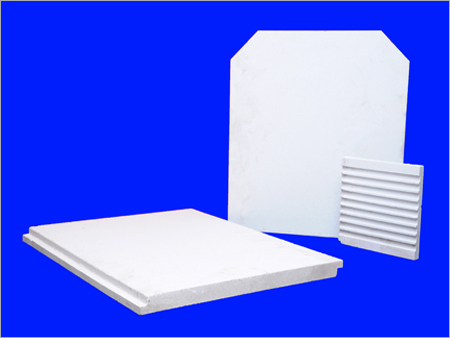
Tell us about your requirement

Price:
Quantity
Select Unit
- 50
- 100
- 200
- 250
- 500
- 1000+
Additional detail
Mobile number
Email

More Products in Plain Batts Category
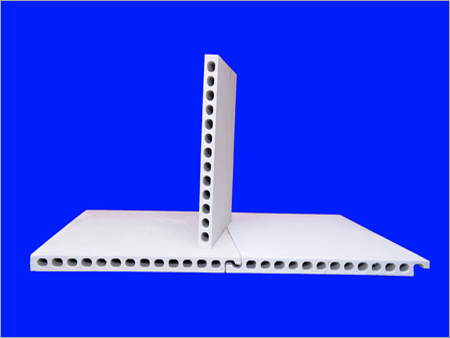
Extruded Batts With Interlock
Minimum Order Quantity : 1 Number
Application : Thermal insulation, Furnace lining, Kiln insulation
Surface Treatment : Smooth surface finish
Condition : New
Properties : High thermal insulation, Fire resistance
Load Capacity : Designed for heavy duty lining applications
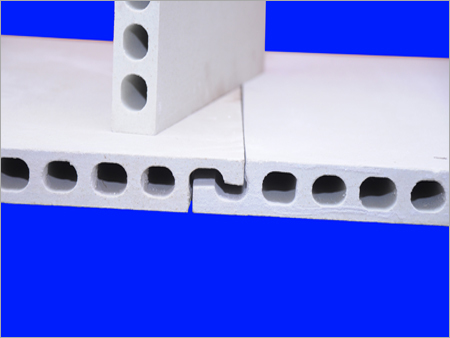
Extruded Batts
Minimum Order Quantity : 1 Number
Application : Industrial furnaces, Kilns, Lining for heat treatment plants
Surface Treatment : Smooth finish
Condition : New
Properties : High temperature resistance, thermal shock stability, low thermal conductivity
Load Capacity : Depends on dimensions, consult manufacturer
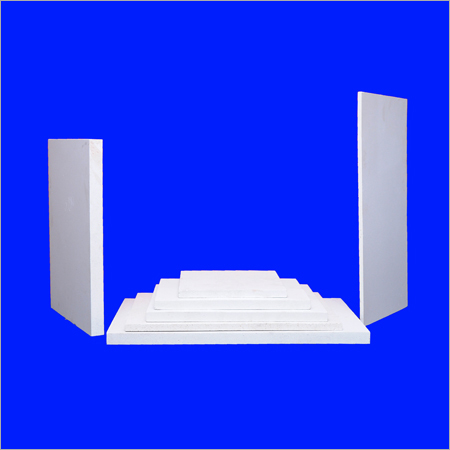
Pressed Batts
Minimum Order Quantity : 100
Application : Thermal and acoustic insulation in buildings, HVAC, industrial plants
Surface Treatment : Plain, noncombustible surface
Condition : New
Properties : Excellent thermal insulation, sound absorption, fire resistance
Load Capacity : Varies as per density and thickness
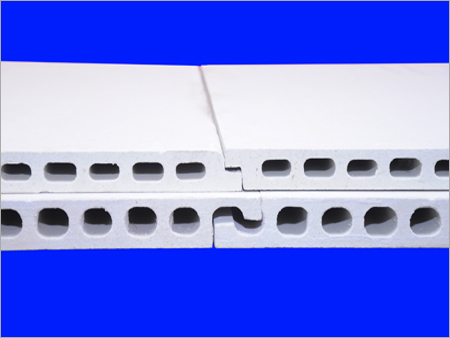
Interlock Extruded Batts
Minimum Order Quantity : 100
Application : Industrial Insulation, Building Insulation, Furnace Lining
Surface Treatment : Uncoated / Untreated
Condition : New
Properties : Fire Resistant, Sound Absorption, Thermal Insulation
Load Capacity : Dependent on Installation

Contact Details
AMERYS SPECIAL REFRACTORY
GST : 24AAZFA6595M1ZG
- Plot No 18, Vaghasiya Industrial Estate, Vaghasiya Village, Wankaner Taluka, Morbi - 363622, Gujarat, India
- Phone :08045801288
 Send Inquiry
Developed and Managed by Infocom Network Private Limited.
